

What you don’t see on the Label
And what rotational pastures really mean.
How Rotational Pastures Work on Our Farm
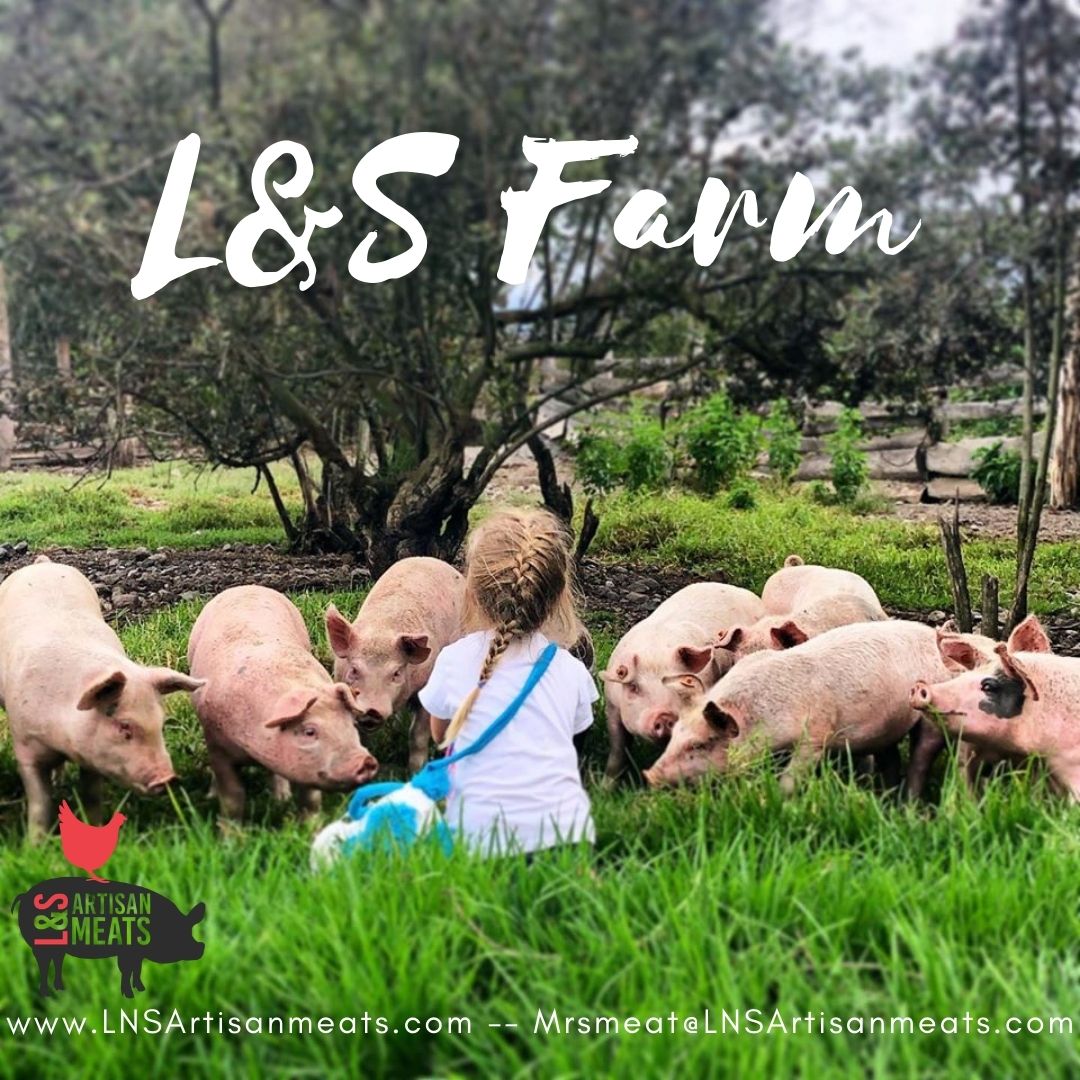
One of the questions we’re asked most often is how our pigs are actually raised on pasture. The short answer is: slowly, intentionally, and with a lot of moving parts.
Rotational pasturing is a system we’ve been developing and refining for more than 14 years. It didn’t come from a manual or a one-size-fits-all model. It came from paying attention to our land, our animals, and our climate; and adjusting year after year.
What Rotational Pasture Means Here
Our pigs live outdoors on pasture, but they don’t stay in one place for long. Instead of permanent pens, we rotate them regularly using electric fencing. Even our piglets are trained on electric fencing starting at about one month old. This early training allows us to move pigs calmly and safely as they grow, without stress for the animals or damage to the land.
As pigs move through different areas, each section of pasture gets time to rest and recover. That recovery period is key.
Why We Rotate
Giving the land time to rest helps:
- prevent overgrazing
- protect soil structure
- improve water absorption
- reduce erosion and runoff
- encourage healthy pasture regrowth
Instead of compacted soil and bare ground, rotational grazing helps build living soil over time. Healthier soil holds more water, supports stronger plant growth, and creates a better environment for animals.
Custom-Built for Pasture Life
Over the years, we’ve built our own custom houses and feeders designed specifically for life on pasture. These structures are mobile, which means they move along with the pigs as we rotate them.
This flexibility allows us to respond to changing weather, seasonal conditions, and the needs of different groups of animals. Shelter moves with the pigs—rather than forcing animals to adapt to a fixed system.
Hay Bedding and Closing the Loop
For bedding, we use hay bales. They provide pigs with a warm, dry, comfortable place to rest, especially during wet or cooler periods.
As that bedding is used, it naturally breaks down and becomes part of the soil, returning organic matter back to the pasture. It’s one more way we focus on building soil rather than depleting it.
We also reuse ash from our smokers as a natural form of pest control in pig areas. It’s a simple, effective way to reduce pests while closing loops and minimizing waste on the farm.
Slower by Design
Rotational pasturing takes more time, more labor, and more attention than stationary systems. It requires planning, observation, and flexibility. But it also creates healthier animals, healthier land, and a farm system that can last.
This isn’t farming built for speed or maximum output. It’s farming built for resilience.
When you choose meat from our farm, you’re supporting a system that values regeneration over extraction, and progress measured in years, not shortcuts.
Thanks for taking the time to learn how your food is raised.
— Lindsay
L&S Artisan Meats
Award Winning Produce
Order Online
L&S Artisan Meats is Ecuador’s finest pork, chicken, and beef producers—farm-to-table pasture-raised pork, aged meats, gourmet sausages, and smoked products since 2012. We are family-owned and operated, live and work here amongst the volcanoes of the Northern Andes…